Overview
CEM prepares students for future digital engineering careers — where physical systems converge with computational intelligence. This unique program blends mechanics, electrical science, materials engineering, and mathematics with modern computational and data science tools, positioning graduates to address complex, real-world engineering challenges.
The program integrates state-of-the-art computational methods including machine learning, data science, and high performance computing, along with foundational training in solid and fluid mechanics, core electrical engineering (circuits, signals, and embedded systems), material science, and dynamics. This powerful combination enables students to simulate, analyze, design, and experiment with physical systems across scales.
Graduates are equipped for high-impact careers across aerospace, robotics, automotive, and manufacturing, as well as emerging areas like digital twin design, smart infrastructure, and sustainable energy. The program offers an excellent launchpad for those aspiring to shape the future of engineering through research, entrepreneurship, and innovation.
What the Program Develops
Domain Expertise In-depth domain-specific knowledge in core engineering disciplines
Multi-disciplinarity Synthesize skills to develop digital models requiring knowledge of mechanical, electrical, and other disciplines
Digital-Twin Expertise Assimilate physics-based theoretical models with computational and data-driven models
Innovation Technical skills and training to innovate futuristic engineering solutions
Leadership Ideally placed to be the leader and communicator of multidisciplinary engineering teams
Core Program Areas
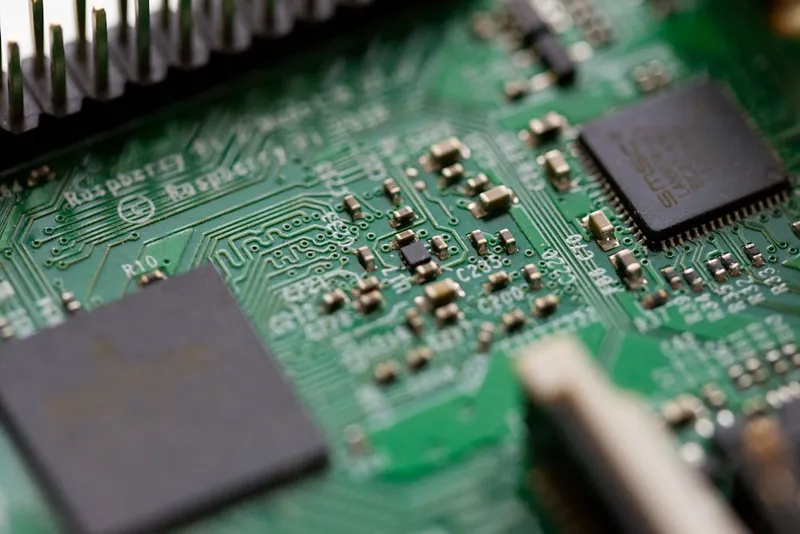
Electrical Science
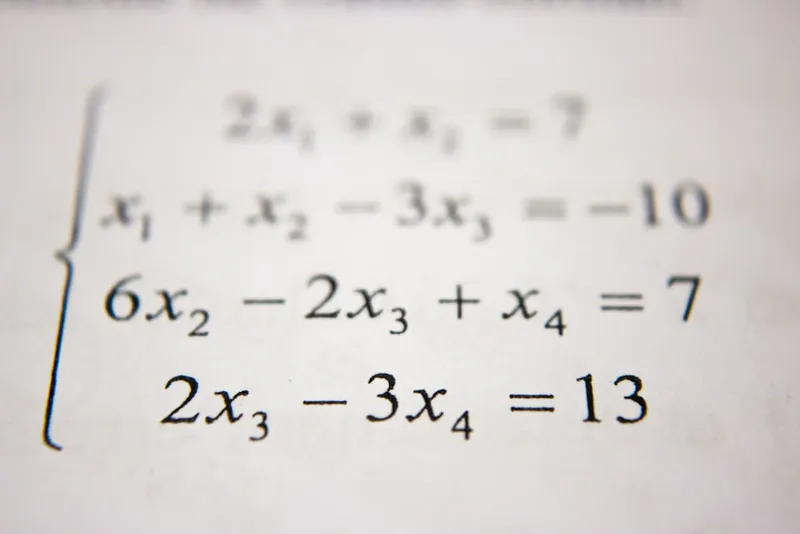
Mathematics
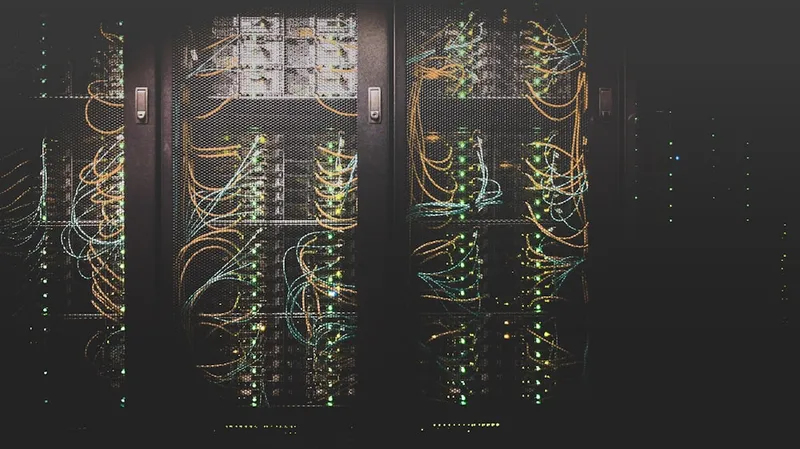
Computational Science
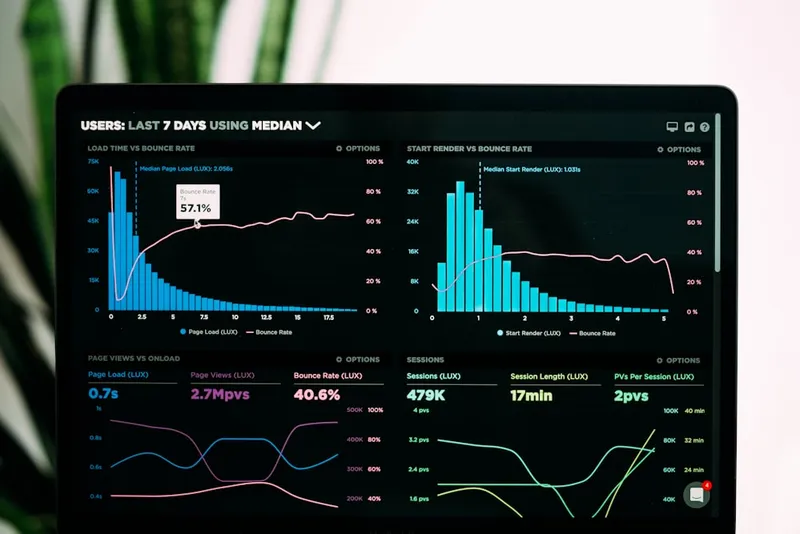
Data Science
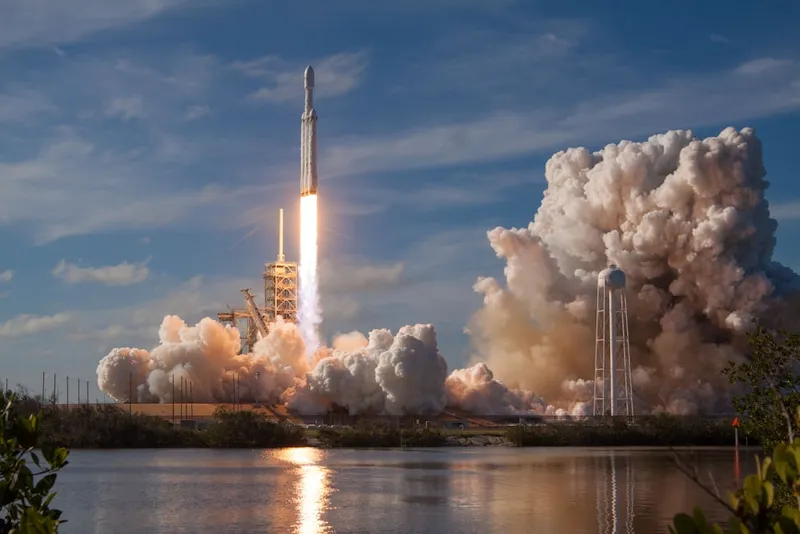
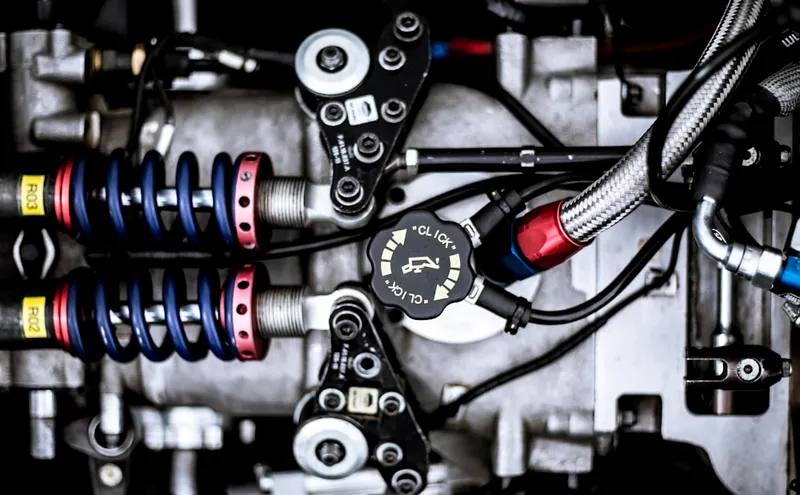
Energetic Materials & Mechanics
Curriculum
The four-year program is structured across eight semesters, building a strong foundation in engineering fundamentals before progressing to advanced computational methods and discipline-specific electives.
- Years 1–2: Foundational courses in mathematics, physics, engineering mechanics, thermodynamics, electrical engineering, and problem solving and computation.
- Year 3: Core professional courses in solid and fluid mechanics, numerical methods, digital twins, data science, and the beginning of specialization electives.
- Year 4: Advanced electives, free electives, and humanities courses allowing students to deepen expertise in chosen specialization areas.
Students select professional electives from focused baskets including Computational Engineering, and specialization tracks such as Energetics & Mechanics, Computational Mechanics, Dynamics & Controls, Biological Systems, and Digital Twins.
Load L LecturesT TutorialsP PracticalsO Self-studyC Credits
Category S ScienceP ProfessionalE EngineeringC ComputingG GeneralH HumanitiesM ManagementU Free Elective
Semester 1 Year 1 56 credits
| Code | Course | L | T | P | O | C |
|---|---|---|---|---|---|---|
| MA1101 | Calculus S | 3 | 1 | 0 | 6 | 10 |
| ME1100 | Thermodynamics P | 3 | 1 | 0 | 6 | 10 |
| AM1100 | Engineering Mechanics E | 3 | 1 | 0 | 6 | 10 |
| WS1301 | Workshop - 1 E | 0 | 0 | 3 | 0 | 3 |
| AM1105 | Problem Solving and Computation C | 3 | 0 | 0 | 6 | 9 |
| AM1106 | Problem Solving and Computation: Programming Lab C | 0 | 0 | 3 | 3 | 6 |
| GN1101 | Life Skills - 1 G | 0 | 0 | 0 | 4 | 4 |
| GN1XXX | Recreation Elective - 1 G | 0 | 0 | 2 | 0 | 2 |
| GN | NCC / NSO / NSS G | 0 | 0 | 0 | 2 | 2 |
Semester 2 Year 1 57 credits
| Code | Course | L | T | P | O | C |
|---|---|---|---|---|---|---|
| MA2102 | Differential Equations S | 3 | 0 | 0 | 6 | 9 |
| PH1020 | Physics - 2 S | 3 | 1 | 0 | 6 | 10 |
| CY1001 | Chemistry: Principles, Structure, Reactivity and Applications S | 3 | 0 | 0 | 6 | 9 |
| AM2200 | Strength of Materials P | 3 | 1 | 0 | 6 | 10 |
| EE1100 | Basic Electrical Engineering E | 3 | 1 | 0 | 6 | 10 |
| WS1301 | Workshop - 2 E | 0 | 0 | 3 | 0 | 3 |
| GN1102 | Life Skills - 2 G | 0 | 0 | 0 | 2 | 2 |
| GNXXXX | Recreation Elective - 2 G | 0 | 0 | 2 | 0 | 2 |
| GN | NCC / NSO / NSS G | 0 | 0 | 0 | 2 | 2 |
Semester 3 Year 2 58 credits
| Code | Course | L | T | P | O | C |
|---|---|---|---|---|---|---|
| MA2103 | Probability, Stochastic Processes & Statistics S | 3 | 0 | 0 | 6 | 9 |
| EE1101 | Introduction to Signals & Systems P | 3 | 1 | 0 | 6 | 10 |
| AM2900 | Numerical Methods: Theory & Practice P | 3 | 0 | 6 | 6 | 15 |
| AM2540 | Applied Mechanics Lab P | 0 | 0 | 6 | 0 | 6 |
| AM2550 | Materials & Mechanics P | 3 | 0 | 0 | 6 | 9 |
| AM2530 | Foundations of Fluid Mechanics P | 3 | 0 | 0 | 6 | 9 |
Semester 4 Year 2 57 credits
| Code | Course | L | T | P | O | C |
|---|---|---|---|---|---|---|
| MA2101 | Linear Algebra S | 3 | 0 | 0 | 6 | 9 |
| ID5060 | First Principles Thinking P | 3 | 0 | 0 | 6 | 9 |
| AM2XXX | Data Science & Applications P | 3 | 0 | 0 | 6 | 9 |
| AMXXXX | Thermofluid Systems: Theory & Practice P | 3 | 0 | 0 | 6 | 9 |
| AMXXXX | Introduction to Digital Signal Processing P | 3 | 1 | 0 | 6 | 10 |
| MSXXXX | Management Elective M | 3 | 0 | 0 | 6 | 9 |
| ID1200 | Ecology and Environment G | 2 | 0 | 0 | 0 | 2 |
Semester 5 Year 3 47 credits
| Code | Course | L | T | P | O | C |
|---|---|---|---|---|---|---|
| AM5051 | Digital Twins: Theory & Applications P | 3 | 0 | 0 | 6 | 9 |
| AM5390 | Advanced Solid Mechanics P | 3 | 0 | 0 | 6 | 9 |
| AM5530 | Advanced Fluid Mechanics P | 3 | 0 | 0 | 6 | 9 |
| AMXXXX | Professional Elective - 1 (Computational Engg-1) P | 3 | 0 | 0 | 6 | 9 |
| AMXXXX | Professional Elective - 2 (Computational Engg-2) P | 3 | 0 | 0 | 6 | 9 |
| HS3050 | Professional Ethics G | 2 | 0 | 0 | 0 | 2 |
Semester 6 Year 3 36 credits
| Code | Course | L | T | P | O | C |
|---|---|---|---|---|---|---|
| MA/PHXXXX | Science Elective - 1 S | 3 | 0 | 0 | 6 | 9 |
| AMXXXX | Professional Elective - 3 P | 3 | 0 | 0 | 6 | 9 |
| AMXXXX | Professional Elective - 4 P | 3 | 0 | 0 | 6 | 9 |
| HSXXXX | Humanities Elective - 1 H | 3 | 0 | 0 | 6 | 9 |
Semester 7 Year 4 45 credits
| Code | Course | L | T | P | O | C |
|---|---|---|---|---|---|---|
| AMXXXX | Professional Elective - 5 (Computational Engg-3) P | 3 | 0 | 0 | 6 | 9 |
| HSXXXX | Humanities Elective - 2 H | 3 | 0 | 0 | 6 | 9 |
| AMXXXX | Professional Elective - 6 P | 3 | 0 | 0 | 6 | 9 |
| ANY | Free Elective - 1 U | 3 | 0 | 0 | 6 | 9 |
| ANY | Free Elective - 2 U | 3 | 0 | 0 | 6 | 9 |
Semester 8 Year 4 45 credits
| Code | Course | L | T | P | O | C |
|---|---|---|---|---|---|---|
| HS | Humanities Elective - 3 H | 3 | 0 | 0 | 6 | 9 |
| ANY | Free Elective - 3 U | 3 | 0 | 0 | 6 | 9 |
| ANY | Free Elective - 4 U | 3 | 0 | 0 | 6 | 9 |
| ANY | Free Elective - 5 U | 3 | 0 | 0 | 6 | 9 |
| ANY | Free Elective - 6 U | 3 | 0 | 0 | 6 | 9 |
Computational Engineering Basket
Professional electives — select at least 3 courses across Semesters 5 & 7.
AM5080 High Performance Computing
ID5080 Complex Networks
AM5005 Data Driven Numerical Techniques & Optimisation
AM6024 Reduced Models in Dynamical Systems
AM6512 Molecular Dynamics Simulations
ID5090 Data Science of Complex Systems
AM5340 Stochastic Processes in Mechanics
AM5630 Foundations of Computational Fluid Dynamics
AM5450 Fundamentals of Finite Element Analysis
AM6513 Advanced Computational Fluid Dynamics
AM5850 Advanced Finite Element Methods
ID5015 Computer Simulations of Crystal Defects
Specialisation Elective Baskets
Professional electives are chosen from focused baskets that let students specialise within the program.
Energetics & Mechanics
AM5470 Analysis & Design of Smart Materials Structures
AM5112 Computational Mechanics for Smart Systems
AM6550 Advanced Gas Dynamics
AM6017 Geothermal Energy
AM5630 Energy Systems
AM5565 Physicochemical Hydrodynamics
AM5021 Design of Thermal & Fluid Systems
ID5070 Energy Economics
ID5100 Carbon Neutral Energy Technology
ID6010 Constitutive Modelling in Continuum Mechanics
Computational Mechanics
AM5360 Composite Structures
AM5440 Engineering Fracture Mechanics
AM5570 Introduction to Turbulence
AM5640 Turbulence Modelling
AM5114 Flow & Transport in Heterogeneous Media
ID6080 Impact Mechanics
AM6515 Boundary Layer Stability
AM6517 Foundations of Micro & Nano-scale Fluid Mechanics
AM5040 Introduction to Nano-mechanics
ID5040 Engineering Plasticity
AM5550 Vorticity Dynamics
AM5012 Industrial Fluid Dynamics
AM5014 Microhydrodynamics
AM5540 Irrotational Flow Theory and Applications
AM5545 Introduction to Multiphase Flows
AM6023 Geometry & Mechanics of Materials
AM5090 Flow Visualisation & Imaging Techniques
ID5127 Introduction to Atmospheric & Climate Science
Dynamics & Controls
AM5290 Dynamics of Structures
AM6291 Computational Structural Dynamics
AM5116 Structural Control
AM5670 Flow Induced Vibrations
AM6511 System Identification from Vibration
AM5650 Nonlinear Dynamics
AM4550 Vorticity Dynamics
AM6024 Reduced Models in Dynamical Systems
AM5117 Analytical Methods in Mechanics
Biological Systems
AM5010 Biomechanics
AM5610 Engineering Fracture Mechanics
AM5120 Biomaterials
AM5113 Atomisation & Sprays
AM6517 Foundations of Micro & Nano-scale Fluid Mechanics
AM5014 Microhydrodynamics
ID5200 Introduction to Biomimicry
AM5535 Bioinspired Engineering
Digital Twins
AM5430 Stochastic Processes in Mechanics
AM5005 Data Driven Numerical Techniques & Optimisation
AM5XXX Introduction to System Integration using Microcontrollers
AM5080 High Performance Computing
DA5000 Mathematical Foundations of Data Science
DA6400 Introduction to Reinforcement Learning
AM5XXX Digital Twin Applications
Eligibility & Admissions
Admissions are through the Joint Seat Allocation Authority (JoSAA). Candidates must have qualified in JEE Advanced.
- Eligibility details and seat availability: josaa.nic.in
Career Pathways
Graduates are equipped for careers in:

Aerospace & Defence Engineering
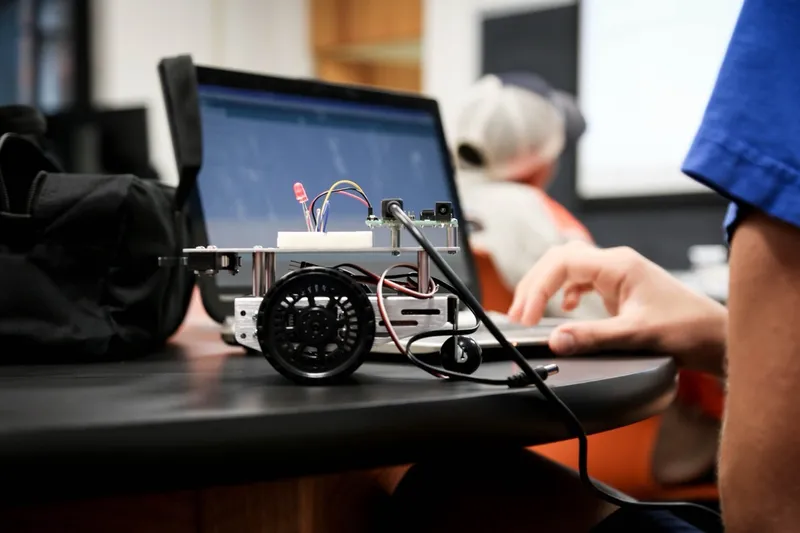
Automotive & Robotics Industries

Digital Twin Design & Smart Infrastructure
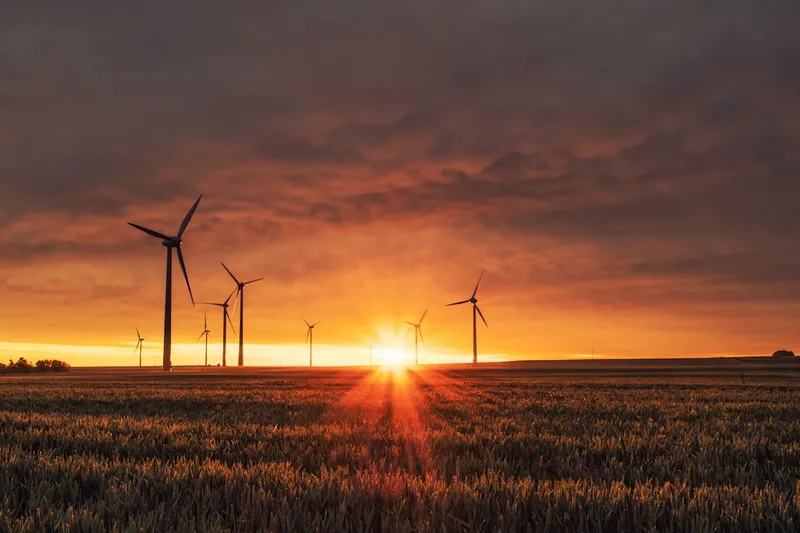
Sustainable Energy Systems
Higher Education & Research